

Description
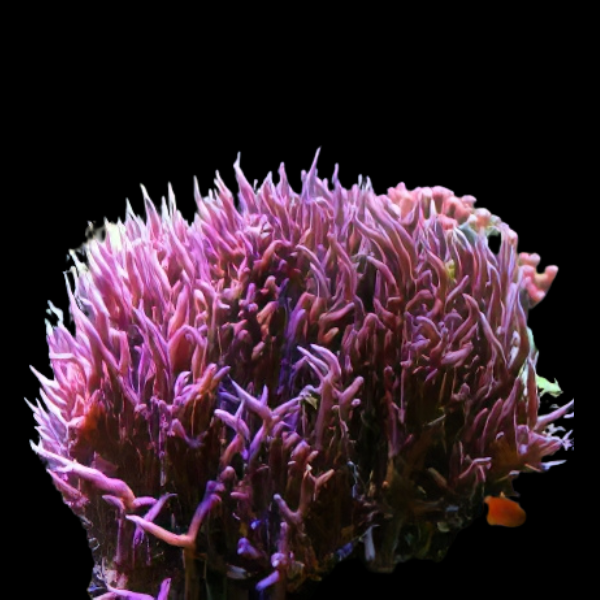
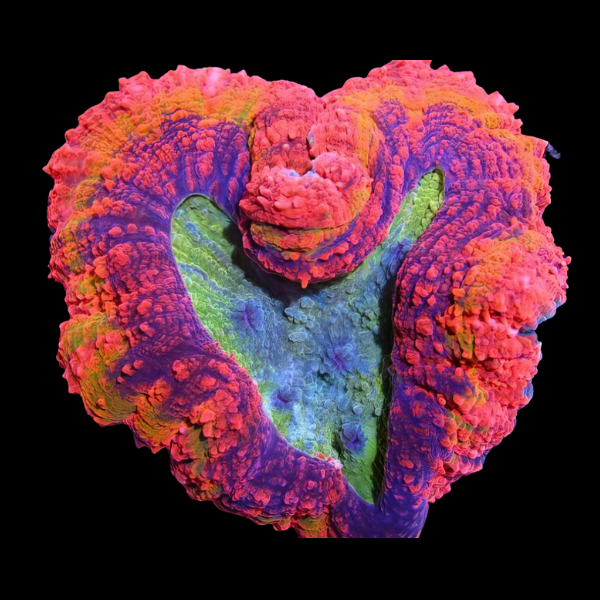
Coral Sea Bubble Hard Coral (Plerogyra sp.)
(Also known as Bubble Coral, Pearl Coral, or Grape Coral)
Overview
The Coral Sea Bubble Coral (Plerogyra sp.) is a distinctive and eye-catching large-polyp stony (LPS) coralrecognised for its large, inflated, bubble-like vesicles that shimmer under aquarium lighting. These translucent “bubbles” expand during the day to maximise light exposure and contract at night, revealing the coral’s hard skeleton and sweeper tentacles. Typically green, cream, or metallic blue in colour, this coral adds unique shape and motion to reef aquariums. Hardy and moderately easy to care for, Plerogyra is a long-standing favourite among LPS enthusiasts.
Origin
Native to the Indo-Pacific region, including the Coral Sea, Fiji, Tonga, Indonesia, and the Great Barrier Reef. Found in sheltered reef slopes and lagoons with moderate light and gentle water flow.
Feeding
The Bubble Coral is photosynthetic, housing zooxanthellae that provide most of its nutrition through photosynthesis. Supplemental feeding improves growth, colour, and bubble inflation. Offer 1–2 feedings per week of:
-
Mysis shrimp or finely chopped meaty foods
-
Marine snow or zooplankton blends
-
Specialised LPS coral foods
Feed at night or during reduced lighting when the coral’s feeder tentacles are extended.
Lighting
Low to moderate lighting. Plerogyra prefers gentle, indirect illumination from LED, T5, or metal halide lighting.
-
PAR range: 75–150 µmol/m²/s
-
Excessive light can cause bleaching or reduced bubble expansion.
-
Blue-spectrum lighting enhances its natural iridescence.
Water Flow
Low to moderate, indirect flow. Gentle currents are ideal to prevent debris buildup and promote gas exchange. Avoid direct flow, as it may cause the bubbles to tear or retract excessively.
Placement
-
Position in the lower regions of the aquarium, ideally on sandy substrate or stable rockwork sheltered from strong current.
-
Provide ample space (15–20 cm / 6–8 inches) around the coral — Plerogyra extends long, stinging sweeper tentacles at night.
-
Avoid contact with rocks or corals that could puncture its delicate tissue.
Tank Mates
Reef safe with caution. Suitable companions include:
-
All reef-safe fish (clownfish, gobies, tangs, blennies, etc.)
-
Peaceful invertebrates such as snails, shrimp, and hermits
-
Other LPS corals placed at a safe distance
Avoid:
-
Aggressive corals (e.g., Galaxea, Euphyllia) within reach of its sweepers
-
Butterflyfish, angelfish, and puffers that may nip at bubbles
Aggression
Moderately aggressive. At night, Plerogyra extends long sweeper tentacles capable of stinging and damaging nearby corals. Maintain generous spacing to prevent coral warfare.
Experience Level
Beginner to intermediate. Plerogyra is hardy and forgiving if kept in stable conditions with moderate light and low flow. Suitable for aquarists with basic LPS coral experience.
Water Parameters
-
Temperature: 24–27°C (75–81°F)
-
pH: 8.1–8.4
-
Salinity: 1.024–1.026 SG
-
Hardness (dKH): 8–12
-
Calcium: 400–450 ppm
-
Magnesium: 1250–1350 ppm
-
Nitrate: <10 ppm
-
Tank Size: Minimum 75 gallons (280L) for stability and space
Maintain excellent water quality and stability for healthy bubble expansion and tissue regeneration.
Reef Compatibility
Reef safe with caution. The Coral Sea Bubble Coral makes a stunning centrepiece for LPS or mixed reef aquariums, but its long sweepers and delicate tissue require thoughtful placement. Under blue or actinic lighting, its inflated vesicles shimmer beautifully, making it a true show coral.



Reviews
There are no reviews yet.