

Description
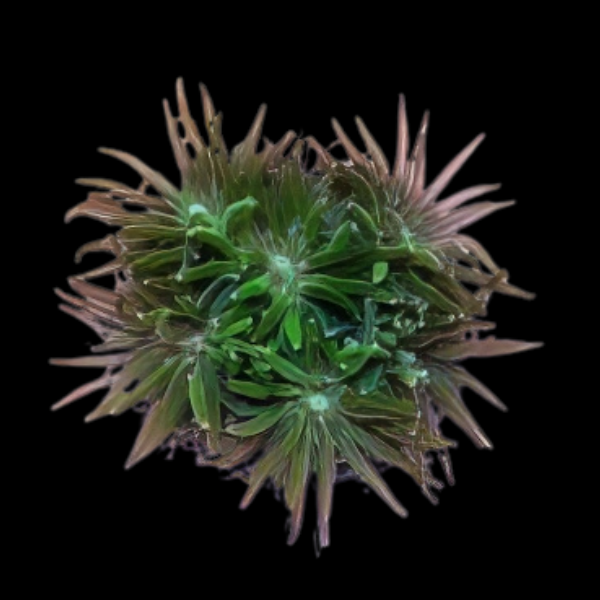
Coral Sea Plate Long Tentacle Hard Coral (Heliofungia sp.)
(Also known as Long Tentacle Plate Coral, Mushroom Plate Coral, or Helio Plate Coral)
Overview
The Coral Sea Plate Coral (Heliofungia sp.) is a striking large-polyp stony (LPS) coral, renowned for its long, flowing tentacles that resemble anemones in motion. Each coral forms a single, free-living, saucer-shaped skeleton topped with hundreds of soft, extended tentacles that can vary in colour from tan and brown to fluorescent green, purple, or pink-tipped. When fully extended, Heliofungia creates a stunning, undulating effect under water movement. It is photosynthetic but delicate, requiring gentle handling, stable parameters, and careful placement — best suited for experienced LPS aquarists.
Origin
Native to the Coral Sea, Great Barrier Reef, Fiji, Tonga, and Indonesia. Typically found on sandy lagoon floors and gentle reef slopes, where it rests freely on the substrate, often partially buried and exposed to moderate light and gentle flow.
Feeding
The Long Tentacle Plate Coral is photosynthetic, containing zooxanthellae that provide most of its energy through photosynthesis. Supplemental feeding enhances growth, colour, and overall vitality. Offer 1–2 feedings per week of:
-
Mysis shrimp, finely chopped marine meat, or brine shrimp
-
Marine snow or coral plankton blends
-
Specialized LPS coral foods
Feed at night or when the coral’s tentacles are extended; use gentle target feeding to avoid tearing delicate tissue.
Lighting
Moderate lighting. Prefers bright, indirect illumination from LED, T5, or metal halide systems.
-
PAR range: 100–200 µmol/m²/s
-
Too much light can cause bleaching or tissue retraction.
-
Blue-spectrum lighting enhances its fluorescent hues and natural shimmer.
Water Flow
Low to moderate, indirect flow. Gentle, variable water movement keeps debris from settling while allowing the tentacles to sway naturally. Strong, direct flow can damage tissue or prevent full polyp expansion.
Placement
-
Place on fine sandy substrate or a smooth, flat rock at the bottom of the tank.
-
Do not place directly on sharp rockwork or coarse gravel — this can tear the coral’s soft underside.
-
Provide ample space (15–20 cm / 6–8 inches) from neighbouring corals, as Heliofungia can extend long, stinging sweeper tentacles at night.
-
Avoid moving once settled; frequent handling can stress the coral and damage its tissue.
Tank Mates
Reef safe with caution. Compatible with:
-
Peaceful reef fish (clownfish, gobies, tangs, blennies, etc.)
-
Shrimp, snails, and small hermit crabs
-
Other LPS and soft corals placed at a safe distance
Avoid:
-
Aggressive or stinging corals (e.g., Galaxea, Euphyllia, Hydnophora) nearby
-
Butterflyfish, large angelfish, or puffers that may nip its tentacles
-
Burrowing or sand-shifting species (e.g., large wrasses or gobies) that may disturb it
Aggression
Moderately aggressive. Heliofungia can extend long sweeper tentacles capable of stinging nearby corals. It should be given generous personal space in the reef layout.
Experience Level
Intermediate to advanced. While beautiful and rewarding, the Long Tentacle Plate Coral is delicate and less forgiving of physical damage or unstable parameters. Ideal for reef aquarists experienced with other LPS corals who can maintain pristine water conditions.
Water Parameters
-
Temperature: 24–27°C (75–81°F)
-
pH: 8.1–8.4
-
Salinity: 1.024–1.026 SG
-
Hardness (dKH): 8–12
-
Calcium: 400–450 ppm
-
Magnesium: 1250–1350 ppm
-
Nitrate: <10 ppm
-
Tank Size: Minimum 100 gallons (380L) recommended for stability and open substrate space
Stable calcium and alkalinity levels are essential for skeletal maintenance and tissue health.
Reef Compatibility
Reef safe with caution. The Coral Sea Long Tentacle Plate Coral is a spectacular centrepiece coral that brings movement, colour, and natural realism to mixed reef aquariums. Under gentle flow and moderate blue lighting, its long tentacles sway elegantly, adding visual depth and life to the reef.




Reviews
There are no reviews yet.