
Description
Yellowtail Blue Chromis (Chrysiptera parasema)
Overview
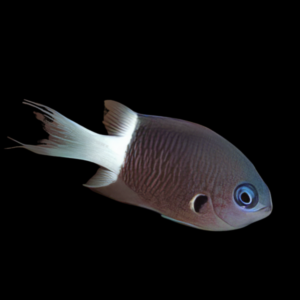
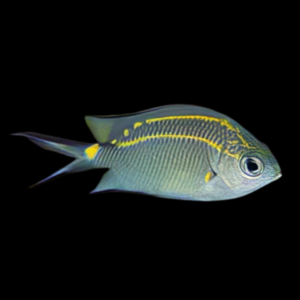
The Yellowtail Blue Chromis, sometimes called the Yellowtail Damselfish, is a small but brilliantly coloured marine fish. Its body is an intense electric blue, contrasted by a bright yellow tail fin. Reaching only 6–7 cm (2.5–3 inches), this hardy and vibrant fish is a long-standing favourite in the aquarium hobby. Despite being one of the more peaceful damselfish, they can still show territorial behaviour, especially in confined spaces.
Origin
Native to the Western Pacific, especially around the Philippines, Indonesia, and the Solomon Islands. Found in lagoons, sheltered reefs, and coral rubble zones, often close to protective crevices.
Feeding
An omnivore with a big appetite. In aquariums they adapt readily to most foods:
-
High-quality marine flakes and pellets (staple diet)
-
Frozen mysis shrimp, brine shrimp, and cyclops
-
Finely chopped seafood (shrimp, clam, squid)
-
Spirulina and algae-based foods
Feed 2–3 small meals per day for best colour and health.
Tank Mates
The Yellowtail Blue Chromis is one of the milder damselfish, but still semi-territorial. Good tank mates include:
-
Clownfish
-
Gobies and blennies
-
Wrasses (reef-safe species)
-
Cardinalfish
-
Dwarf angelfish
Avoid housing with very shy fish that may be stressed by their activity, or with very aggressive species that could bully them.
Aggression
Semi-aggressive. While considered peaceful by damselfish standards, they will defend a small territory, particularly in smaller aquariums. Best kept singly, in a bonded pair, or in larger groups (6+ in a spacious tank) to disperse aggression.
Experience Level
Beginner-friendly. Very hardy, colourful, and easy to feed, making them an excellent choice for new marine keepers and reef aquariums.
Water Parameters
-
Temperature: 24–28°C (75–82°F)
-
pH: 8.1–8.4
-
Salinity: 1.020–1.025 SG
-
Hardness (dKH): 8–12
-
Tank Size: Minimum 30 gallons (115L) for a single or pair; larger if keeping a group
Provide rockwork with caves and crevices so they can establish territories.
Reef Compatibility
Reef safe. They do not harm corals or invertebrates, and their bright colour contrasts beautifully in reef setups.