Description
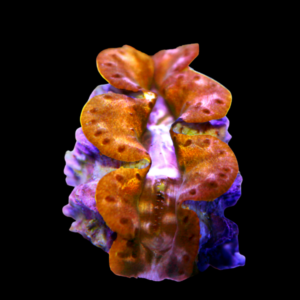
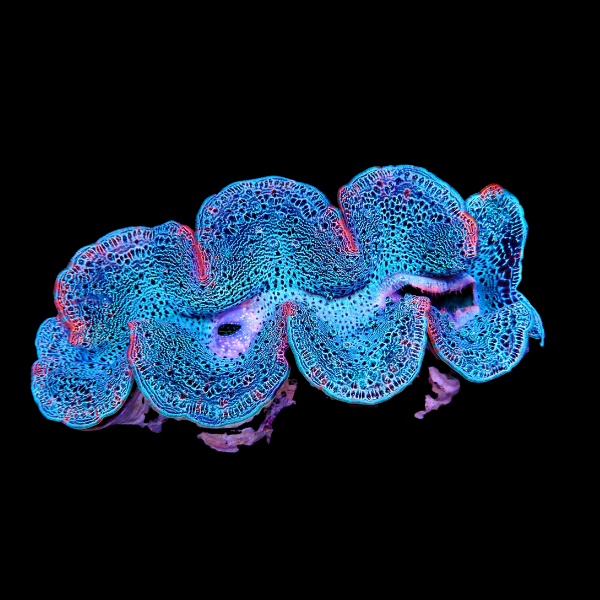
Maxima Ultra Cultured Clam (Tridacna maxima)
(Also known as the Small Giant Clam or Ultra Maxima Clam)
Overview
The Maxima Ultra Clam represents the most vibrant and premium colour morph of Tridacna maxima, featuring intense, iridescent mantle patterns in brilliant shades of electric blue, turquoise, green, gold, and violet. Each specimen displays a unique “holographic” pattern, making it one of the most visually striking clams available in the hobby. Reaching around 20–30 cm (8–12 inches) when fully grown, T. maxima is the smallest of the large Tridacna clams, but among the most sought-after due to its exceptional colour and pattern variation.
Origin
Native to Indo-Pacific reef flats and lagoons, including Fiji, Tonga, Indonesia, and the Great Barrier Reef. Ultraspecimens are typically aquacultured in shallow ocean nurseries, where strong sunlight and nutrient balance enhance their vivid mantle pigmentation. Cultured individuals are more adaptable and sustainable than wild-collected clams.
Lighting
Very high lighting required. The Maxima Ultra depends heavily on symbiotic zooxanthellae for photosynthesis, which fuels both its energy needs and stunning coloration.
-
Use high-intensity LED, T5, or metal halide lighting.
-
PAR range: 300–450 µmol/m²/s for optimal health and colour retention.
-
Place in the upper third of the aquarium or directly on rockwork where light is strongest.
Inadequate light leads to dull coloration, poor growth, and eventual decline.
Water Flow
Low to moderate, indirect flow. The water movement should keep the mantle gently rippling without direct pressure. This helps with gas exchange and nutrient delivery without irritating the clam’s sensitive tissues.
Feeding
Mostly photosynthetic, though smaller or juvenile clams (under 7 cm / 3 inches) benefit from supplemental planktonic foods:
-
Live phytoplankton (essential for juveniles)
-
Concentrated marine microalgae blends
-
Coral/clam filter-feeding supplements (fine particulate size)
Feed 1–2 times weekly in systems with low natural plankton density. Mature clams rely mainly on light and dissolved organics in the water column.
Placement
-
Place on solid, stable rockwork or a clam cradle where the byssal foot can attach securely.
-
Avoid placing directly on coarse substrate or moving it once it attaches.
-
Ensure the mantle is fully exposed to bright, direct light and not shaded by rock or coral.
Tank Mates
Peaceful and fully reef safe. Compatible with:
-
Clownfish, tangs, gobies, wrasses (reef-safe species)
-
Snails, hermits, urchins, and other clean-up crew members
-
Corals that do not produce long sweeper tentacles
Avoid:
-
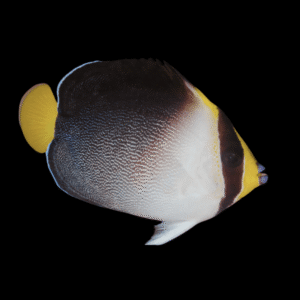
Angelfish and butterflyfish (may nip mantles)
-
Puffers, triggers, and large predatory wrasses
Aggression
Non-aggressive. The clam poses no threat to other tank inhabitants. Maintain distance from aggressive stony corals to prevent stings to the mantle.
Experience Level
Intermediate to advanced. Cultured Ultra Maxima clams are hardy once settled but demand high-intensity lighting, stable parameters, and pristine water conditions.
Water Parameters
-
Temperature: 25–28°C (77–82°F)
-
pH: 8.1–8.4
-
Salinity: 1.024–1.026 SG
-
Hardness (dKH): 8–12
-
Calcium: 400–450 ppm
-
Magnesium: 1250–1350 ppm
-
Tank Size: Minimum 100 litres (25 gallons) for small individuals; 200+ litres (50+ gallons) for adults
Keep calcium and alkalinity stable for consistent shell growth. Regular water changes, strong lighting, and good flow are key to success.
Reef Compatibility
Fully reef safe. Does not harm corals or invertebrates and thrives in established reef systems. The Ultra Maxima’s vivid mantle provides a spectacular colour focal point and contributes natural filtration through active filter feeding.