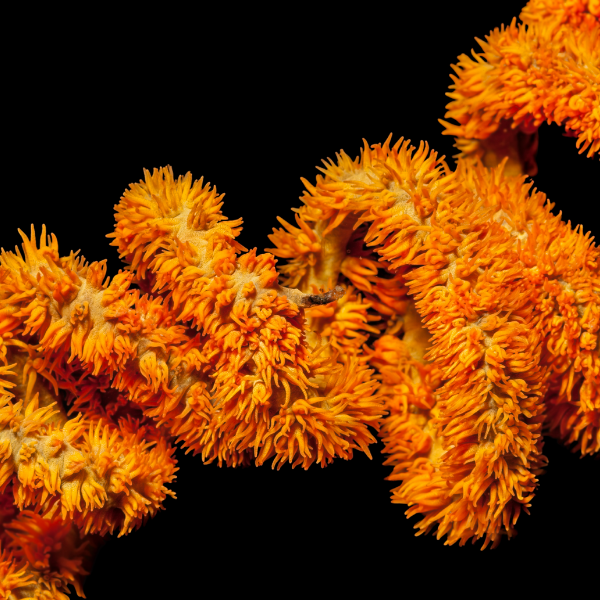
Description
Spiral Gorgonia (Cirrhipathes spiralis)
(Also known as the Wire Coral or Spiral Coral)
Overview
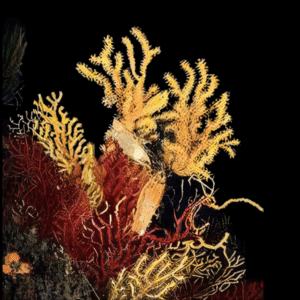
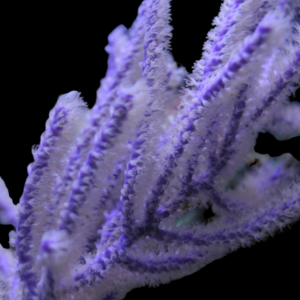
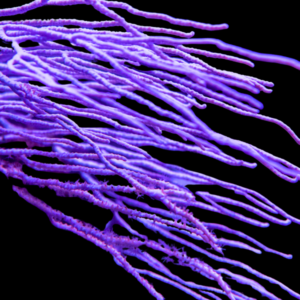
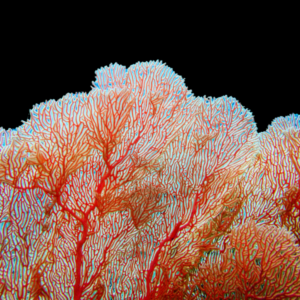
The Spiral Gorgonia (Cirrhipathes spiralis) is a stunning and distinctive coral species known for its graceful, spiral-shaped branches and delicate, feathery polyps. Unlike most gorgonians, it belongs to the Antipathidae family, commonly referred to as Black Corals, due to its dark, chitinous internal skeleton. Its coloration varies from brown to orange or yellow, often contrasting with the darker core visible beneath the tissue. In aquariums, it adds unique architectural elegance, but it is non-photosynthetic and requires regular feeding and precise conditions — making it a coral best suited for advanced reef keepers.
Origin
Found throughout the Indo-Pacific region, including Indonesia, the Philippines, Fiji, and the Great Barrier Reef. Typically inhabits deep reef slopes and shaded overhangs between 15–40 meters (50–130 feet), where it extends into moderate current to capture planktonic food.
Feeding
Cirrhipathes spiralis is a non-photosynthetic suspension feeder that relies entirely on planktonic food for nutrition. It must be fed frequently to survive in captivity. Offer 3–5 feedings per week (ideally daily in low-nutrient systems) using:
-
Live or concentrated phytoplankton
-
Rotifers and marine microzooplankton
-
Finely powdered coral foods (e.g. Reef-Roids, Coralific Delite)
-
Marine snow or blended planktonic coral foods
Target feeding with a pipette or turkey baster near extended polyps ensures efficient feeding response and minimal waste.
Lighting
Low lighting. As a non-photosynthetic coral, it does not rely on light and should be placed in shaded or dimly lit regions of the aquarium. Strong lighting can encourage nuisance algae growth on its surface, which can smother polyps.
Water Flow
Moderate to strong, indirect flow. Continuous current is essential to deliver planktonic food and oxygen while preventing detritus or algae buildup on the coral’s surface. Avoid direct laminar flow that could damage its delicate tissue.
Placement
-
Mount vertically or at an angle on rockwork or within crevices where flow passes evenly over the branches.
-
Keep it in shaded or low-light zones, away from high-intensity lighting.
-
Ensure it is not easily brushed or knocked by fish or maintenance tools — its tissue is fragile and easily torn.
Tank Mates
Peaceful and reef safe. Compatible with:
-
Small, non-aggressive reef fish (e.g., gobies, blennies, firefish, cardinalfish)
-
Shrimp, snails, and hermit crabs that won’t irritate its branches
-
Other non-photosynthetic corals (e.g., Dendronephthya, Tubastraea)
Avoid:
-
Large angelfish, butterflyfish, or wrasses that may nip polyps
-
Aggressive or high-activity fish that disturb feeding behaviour
Aggression
Completely peaceful. Will not sting or overgrow other corals, but it must be kept away from aggressive neighbours with long sweeper tentacles. It can be damaged easily by contact or encroaching algae.
Experience Level
Expert. The Spiral Gorgonia is one of the most challenging gorgonians to maintain. It requires consistent planktonic feeding, strong but gentle current, and a mature, nutrient-managed reef system with excellent water quality. Best suited for advanced aquarists or specialised non-photosynthetic (NPS) reef displays.
Water Parameters
-
Temperature: 24–26°C (75–79°F)
-
pH: 8.1–8.4
-
Salinity: 1.024–1.026 SG
-
Hardness (dKH): 8–12
-
Calcium: 400–450 ppm
-
Nitrate: <10 ppm
-
Tank Size: Minimum 100 gallons (380L) to ensure stable conditions and ample feeding opportunities
Maintain excellent water quality, regular feeding, and strong filtration (skimmer or refugium) to prevent nutrient spikes from frequent feedings.
Reef Compatibility
Reef safe with caution. Does not harm other tank inhabitants but needs specific care and conditions that may not suit typical mixed reefs. Ideal for dedicated NPS reef systems with controlled lighting, strong flow, and scheduled feeding routines.