Description
Common Hermit Crab (Clibanarius sp.)
(Also known as Reef Hermit Crab, Marine Hermit Crab, or Sand Hermit Crab)
Overview
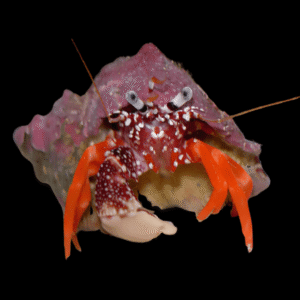
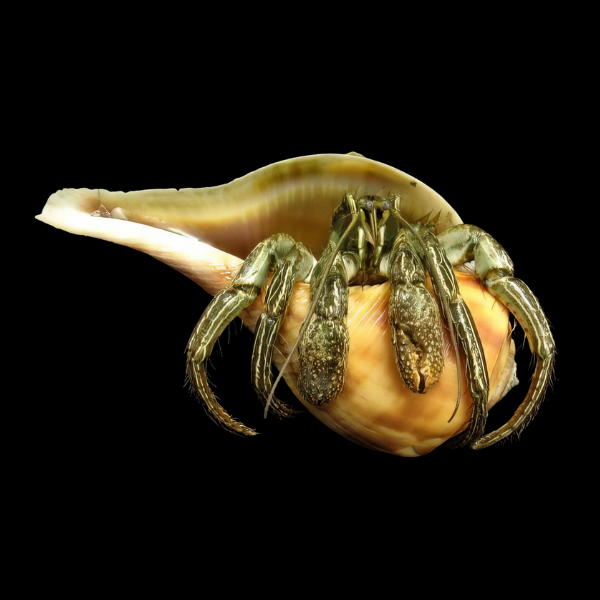
The Common Hermit Crab (Clibanarius sp.) is a hardy and versatile marine crustacean, widely recognised for its essential role in reef aquarium cleanup crews. Often displaying a mix of brown, red, orange, or blue leg colouration, these hermits vary slightly depending on their species but share the same industrious, scavenging behaviour. Constantly on the move, they help control algae, detritus, and uneaten food, keeping the substrate and rockwork clean. Adaptable and easy to care for, the Common Hermit Crab is a perfect beginner invertebrate for both reef and fish-only systems.
Origin
Found throughout the Indo-Pacific region, Caribbean, and Western Atlantic, Clibanarius species inhabit shallow coral reefs, tidal flats, and rocky shorelines, where they seek food and protection among live rock and coral rubble.
Feeding
An omnivorous scavenger, the Common Hermit Crab naturally grazes on biofilm, algae, and organic waste. Supplementary feeding ensures good health and reduces shell-related aggression. Offer 3–4 feedings per week of:
-
Algae wafers or sinking marine pellets
-
Finely chopped seafood (mysis, shrimp, clam)
-
Seaweed sheets (nori)
-
Leftover fish food or detritus
These crabs are opportunistic feeders and will consume almost any organic material available.
Lighting
Low to moderate lighting. The crab does not depend on light for feeding or activity but will forage more actively under subdued or ambient illumination.
Water Flow
Moderate flow. Ensure a steady current that prevents debris buildup while providing calm areas for rest and feeding.
Placement & Habitat Setup
-
Provide plenty of live rock and natural hiding places for foraging and shelter.
-
Supply a variety of empty shells slightly larger than each crab’s current size to prevent shell fights.
-
Use fine sand or small-grain substrate to allow natural movement and burrowing.
-
Avoid sharp rockwork that can damage legs or shells.
Tank Mates
Reef safe. Compatible with:
-
Peaceful reef fish (gobies, blennies, tangs, clownfish, etc.)
-
Shrimp, snails, and other small invertebrates (monitor interactions)
-
Corals and anemones — generally safe and non-destructive
Avoid:
-
Aggressive or predatory fish (triggers, puffers, large wrasses)
-
Large crabs or aggressive hermit species
-
Snail-only tanks without spare shells (they may target snails for housing)
Aggression
Peaceful to mildly opportunistic. Generally non-aggressive, but may fight over shells or food. Keeping multiple empty shells of various sizes and shapes significantly reduces aggression.
Experience Level
Beginner. Clibanarius species are extremely hardy, adaptable, and beneficial for maintaining tank cleanliness, making them ideal for both new and experienced marine aquarists.
Water Parameters
-
Temperature: 24–27°C (75–81°F)
-
pH: 8.1–8.4
-
Salinity: 1.024–1.026 SG
-
Ammonia / Nitrite: 0 ppm
-
Nitrate: <10 ppm
-
Tank Size: Minimum 20 litres (5 gallons) per small group; larger tanks preferred for stability
Lifespan & Size
-
Size: Up to 3 cm (1.2 inches) depending on species
-
Lifespan: 2–4 years in captivity with proper care
Reef Compatibility
Fully reef safe. The Common Hermit Crab is an invaluable member of any cleanup crew, consuming nuisance algae, film, and detritus while aerating the substrate. With its active nature, hardiness, and minimal care requirements, it’s an excellent choice for reef keepers seeking both function and natural movement within their aquarium.