Description
Black and Gold Chromis (Neoglyphidodon nigroris)
Overview
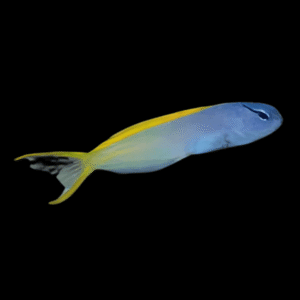
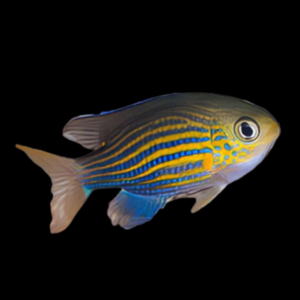
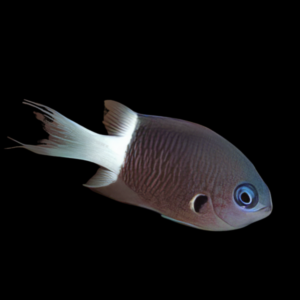
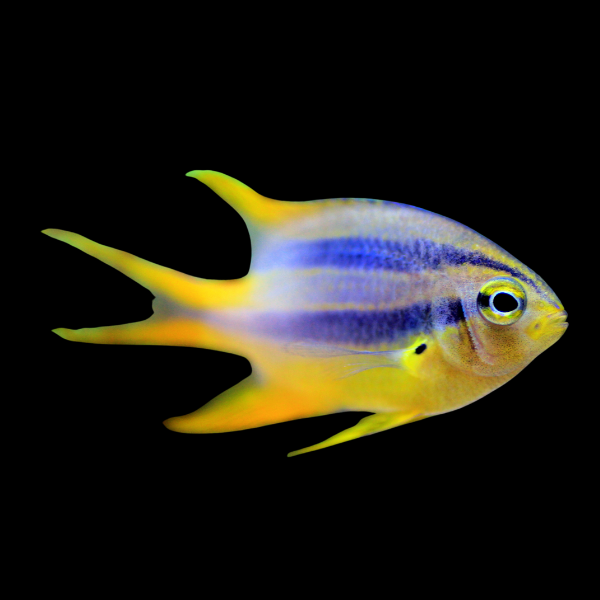
The Black and Gold Chromis is a bold and attractive damselfish with a distinctive juvenile colour pattern of bright yellow anterior fading into a jet-black posterior. As they mature, their colours darken, sometimes becoming less vibrant but still striking. Reaching 10–12 cm (4–5 inches), they are larger and more assertive than the common schooling chromis species. They are hardy and active but best suited to larger aquariums due to their territorial nature.
Origin
Native to the Indo-Pacific, including the Philippines, Indonesia, New Guinea, and parts of Micronesia. They are typically found around shallow reef flats and lagoon environments, sheltering in branching corals and rubble zones.
Feeding
The Black and Gold Chromis is an omnivore with a natural diet of plankton, algae, and small invertebrates. In aquariums, they accept a wide variety of foods:
-
Marine flakes and pellets (staple)
-
Frozen mysis, cyclops, and enriched brine shrimp
-
Finely chopped seafood (shrimp, clam, squid)
-
Spirulina and algae-based foods for balance
Feed 2–3 times daily to maintain colour and energy.
Tank Mates
Unlike smaller, peaceful chromis species, the Black and Gold Chromis can be semi-aggressive, especially as it matures. Best tank mates include:
-
Larger clownfish
-
Wrasses (semi-aggressive reef-safe species)
-
Tangs and surgeonfish
-
Dottybacks, hawkfish, and other assertive species
Avoid very peaceful nano fish, as they may be bullied.
Aggression
Semi-aggressive. Juveniles may appear peaceful, but adults can become territorial and may harass weaker fish, especially in smaller tanks. Keeping a single specimen or a large enough group (to spread aggression) in a spacious tank works best.
Experience Level
Beginner to intermediate. Hardy and adaptable, but temperament requires some consideration in community setups.
Water Parameters
-
Temperature: 24–28°C (75–82°F)
-
pH: 8.1–8.4
-
Salinity: 1.020–1.025 SG
-
Hardness (dKH): 8–12
-
Tank Size: Minimum 55 gallons (210L) for an individual; larger if keeping a group
Plenty of live rock and coral structures help establish territories and reduce aggression.
Reef Compatibility
Reef safe (with caution). Will not harm corals or invertebrates, though their boisterous swimming and territorial behaviour may stress delicate fish or shy reef species.