
Description
Caribbean Ricordea Coloured Mushroom (Fungiidae Coral) (Ricordea yuma)
(Also known as Yuma Mushroom Coral, Ricordea Mushroom Coral, or Coloured Ricordea Coral)
Overview
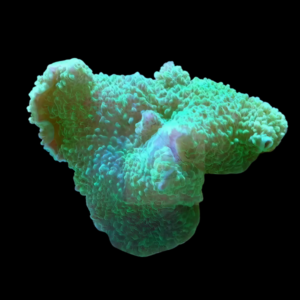
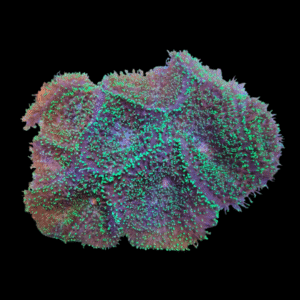
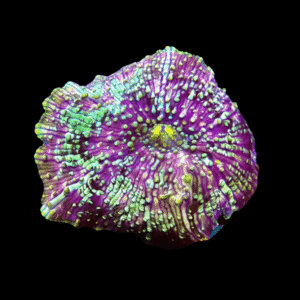
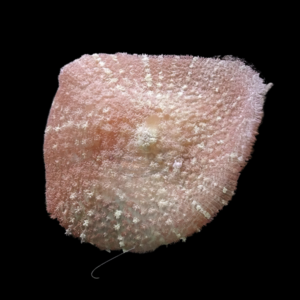
The Caribbean Ricordea Coloured Mushroom (Ricordea yuma) is one of the most visually striking soft corals (Corallimorpharians), known for its bubble-like surface, intense fluorescence, and multi-coloured hues that range from green, orange, pink, blue, and purple to combinations of several tones within a single polyp. The coral’s fleshy oral disc is densely covered with raised vesicles that radiate from the mouth, creating a beautiful texture and 3D appearance. Hardy, adaptable, and dazzling under actinic lighting, Ricordea yuma adds instant colour and life to shaded or moderately lit reef aquariums.
Origin
Although commonly called “Caribbean Ricordea,” Ricordea yuma is actually Indo-Pacific in origin, found throughout the Coral Sea, Indonesia, Solomon Islands, Fiji, and the Philippines. Its close relative, Ricordea florida, originates from the Caribbean. Ricordea yuma naturally occurs in shallow reef slopes and lagoonal areas, often on rocky surfaces or under ledges where water flow is calm and lighting is moderate.
Feeding
The Ricordea Mushroom Coral is photosynthetic, relying on zooxanthellae for most of its nutrition. However, regular feeding enhances growth, colour, and reproduction. Feed 1–2 times per week with:
-
Mysis or enriched brine shrimp
-
Finely chopped seafood (shrimp, clam, or fish)
-
Marine snow or coral microfoods
Target feeding near the oral disc helps encourage expansion and faster propagation.
Lighting
Low to moderate lighting. Ricordea yuma prefers diffused light and can bleach under intense illumination.
-
PAR range: 50–150 µmol/m²/s
-
Best suited for shaded rockwork, aquarium corners, or lower reef zones.
-
Blue and actinic spectrum lighting enhances its iridescent and fluorescent colours.
Water Flow
Low to moderate, indirect flow. Gentle water movement allows full expansion and keeps the coral free from detritus. Avoid strong, direct flow, which can cause tissue damage or detachment.
Placement
-
Place on lower rockwork or substrate, in shaded or partially lit areas.
-
Ensure adequate spacing (5–10 cm / 2–4 inches) from other corals to allow full expansion.
-
Ricordea yuma attaches naturally to rock and can spread by budding or fission.
-
Ideal for nano reefs or as a colour accent in mixed coral systems.
Tank Mates
Reef safe. Compatible with:
-
Peaceful reef fish (clownfish, gobies, wrasses, tangs, etc.)
-
Invertebrates such as shrimp, snails, and small hermit crabs
-
Other soft corals, zoanthids, and non-aggressive LPS species
Avoid:
-
Aggressive stinging corals (e.g., Euphyllia, Galaxea, Hydnophora)
-
Butterflyfish or large angelfish that may nip at its soft tissue
Aggression
Moderate. Ricordea yuma may release mild toxins (allelopathy) to compete for space. Maintain spacing from neighbouring corals to avoid irritation.
Experience Level
Beginner to intermediate. The Ricordea Mushroom Coral is hardy, colourful, and forgiving of minor fluctuations, making it suitable for most reef aquarists. Stability and moderate lighting ensure long-term success.
Water Parameters
-
Temperature: 24–27°C (75–81°F)
-
pH: 8.1–8.4
-
Salinity: 1.024–1.026 SG
-
Alkalinity (dKH): 8–12
-
Calcium: 400–450 ppm
-
Magnesium: 1250–1350 ppm
-
Nitrate: <10 ppm (tolerant up to 15 ppm)
-
Phosphate: <0.05 ppm
-
Tank Size: Minimum 50 litres (13 gallons); suitable for nano reefs and larger systems
Reef Compatibility
Fully reef safe. The Caribbean Ricordea Coloured Mushroom Coral brings vivid colour, depth, and natural movement to the reef aquarium. Its gentle temperament and adaptability make it an excellent centrepiece for soft coral or mixed reef environments.
Interesting Fact
Ricordea yuma reproduces both sexually and asexually — budding from its base or splitting along its oral disc. Over time, this allows it to form stunning carpets of multi-coloured polyps that glow under reef lighting.