Description
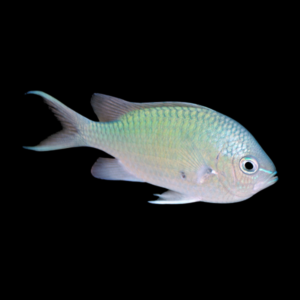
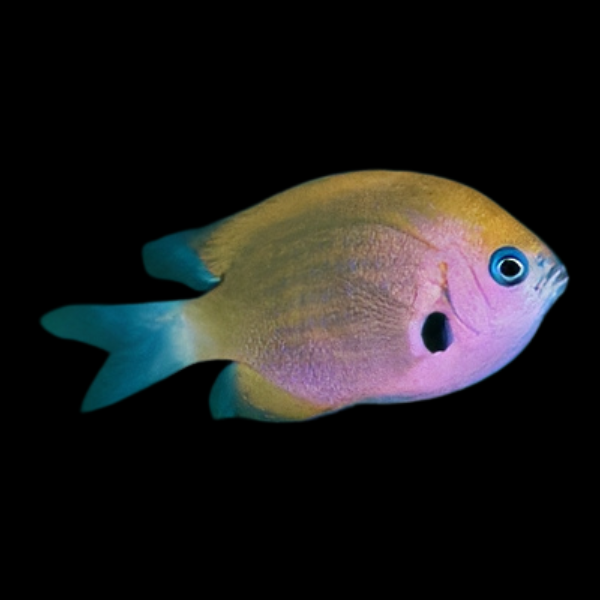
Caribbean Sunset Chromis (Chromis insolata)
Overview
The Caribbean Sunset Chromis is a colourful, mid-sized chromis admired for its pinkish to orange “sunset” hues, sometimes fading into lavender or blue along the dorsal side. Growing to about 12–13 cm (5 inches), it is one of the larger chromis species. Active and hardy, it adds movement and a unique splash of warm colour to community aquariums. Like many chromis, it does best in groups, though it is more assertive than the smaller Indo-Pacific species.
Origin
Found throughout the Western Atlantic and Caribbean, including Florida, the Bahamas, and down into the Lesser Antilles. In the wild, it inhabits outer reef slopes, drop-offs, and coral-rich areas, often in small shoals above branching corals.
Feeding
The Sunset Chromis is a planktivorous omnivore and adapts well to aquarium diets:
-
High-quality marine flakes and pellets
-
Frozen mysis, cyclops, and enriched brine shrimp
-
Finely chopped seafood (shrimp, clam, squid)
-
Algae-based or spirulina foods to maintain colouration and health
Feed 2–3 times daily in small amounts.
Tank Mates
Generally peaceful but somewhat bolder than the smaller Chromis viridis-type species. Suitable companions include:
-
Clownfish
-
Gobies and blennies
-
Reef-safe wrasses
-
Cardinalfish
-
Tangs and dwarf angelfish
Avoid aggressive predators and be cautious when mixing with very delicate nano fish.
Aggression
Peaceful to semi-aggressive. While more docile than true damselfish, larger individuals may establish dominance hierarchies, particularly if kept in smaller groups. Best housed in shoals of 5+ in a sufficiently large tank to spread aggression.
Experience Level
Beginner to intermediate. Hardy and adaptable, though its larger adult size means aquarists should plan for a bigger system than with smaller chromis species.
Water Parameters
-
Temperature: 24–27°C (75–81°F)
-
pH: 8.1–8.4
-
Salinity: 1.020–1.025 SG
-
Hardness (dKH): 8–12
-
Tank Size: Minimum 55 gallons (210L) for a small group; larger preferred for long-term success
Provide open water for schooling with coral or rock structures for cover.
Reef Compatibility
Reef safe. Will not harm corals or invertebrates and adds lively schooling activity to reef aquariums.