
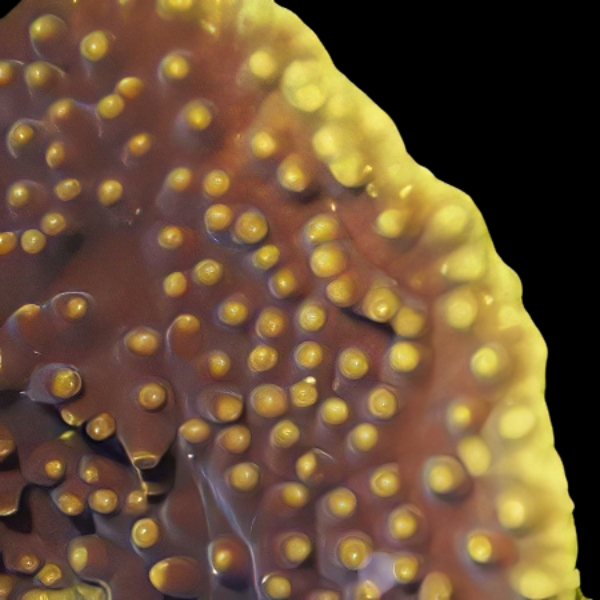
Description
Table Hard Coral (Turbinaria sp.)
(Also known as Scroll Coral, Cup Coral, Vase Coral, or Pagoda Coral)
Overview
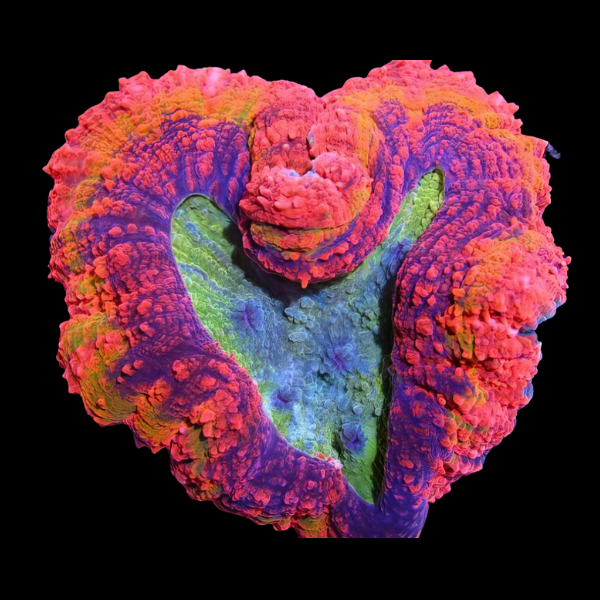
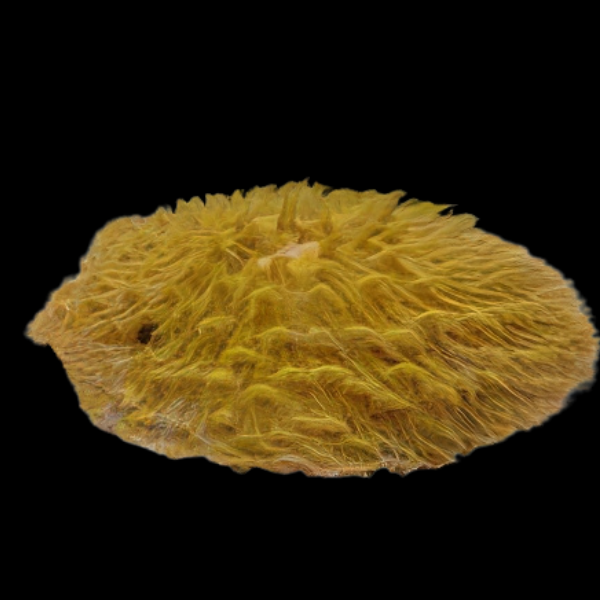
The Table Hard Coral (Turbinaria sp.) is a distinctive and hardy small-polyp stony (SPS) coral, admired for its elegant, plate-like or scroll-shaped growth forms that resemble tables, cups, or layered vases. Depending on the species, colonies may form smooth horizontal plates, curled funnels, or tiered scrolls with upright edges. Colouration ranges from golden yellow and green to brown, cream, and grey, often with fluorescent polyps under actinic lighting. Turbinaria is slow-growing but very durable once established, making it a reliable choice for aquarists seeking structural variety and a natural reef-building aesthetic.
Origin
Native to the Indo-Pacific region, including the Great Barrier Reef, Coral Sea, Fiji, Tonga, Indonesia, and the Red Sea. Typically found in outer reef slopes and upper reef crests, where strong light and current promote its broad, plate-like growth forms.
Feeding
Turbinaria is photosynthetic, relying primarily on zooxanthellae for nutrition. However, occasional supplemental feeding can promote faster growth and richer colouration. Feed 1–2 times per week with:
-
Marine snow or microplankton
-
Phytoplankton and fine coral foods
-
SPS-targeted powdered blends
Feed in moderate flow to allow food to settle across the coral’s surface and polyps.
Lighting
Moderate to high lighting. Provide strong, even illumination from LED, T5, or metal halide systems.
-
PAR range: 150–300 µmol/m²/s
-
Acclimate gradually to prevent bleaching.
-
Blue or actinic spectrums enhance polyp contrast and fluorescent tones, especially in yellow or green morphs.
Water Flow
Moderate to strong, turbulent flow. Provide alternating currents to keep the coral’s plate surfaces clean of debris and detritus. Adequate flow also helps prevent algae accumulation on the upper plate surfaces and promotes full polyp extension.
Placement
-
Position on mid to upper rockwork, ensuring broad light exposure and steady water movement.
-
Allow space above and below the colony to accommodate future horizontal growth.
-
Avoid shaded locations, as light deprivation can cause colour fading or tissue loss on lower surfaces.
-
Ensure stable placement — Turbinaria colonies become heavy as they expand.
Tank Mates
Reef safe. Compatible with:
-
Peaceful reef fish (gobies, tangs, anthias, wrasses, blennies, etc.)
-
Invertebrates such as shrimp, snails, and hermit crabs
-
Other SPS and LPS corals with adequate spacing
Avoid:
-
Aggressive stinging corals (e.g., Euphyllia, Galaxea, Hydnophora) placed nearby
-
Large angelfish or butterflyfish that may nip at polyps
Aggression
Peaceful. Turbinaria does not extend long sweeper tentacles and can be kept near other non-aggressive corals with sufficient spacing. However, avoid direct contact with aggressive species.
Experience Level
Intermediate. The Table Hard Coral is hardy but thrives best in mature reef systems with stable water parameters and consistent flow. It’s an excellent coral for aquarists experienced with SPS or mixed-reef environments.
Water Parameters
-
Temperature: 24–27°C (75–81°F)
-
pH: 8.1–8.4
-
Salinity: 1.025–1.026 SG
-
Alkalinity (dKH): 8–10
-
Calcium: 420–450 ppm
-
Magnesium: 1250–1350 ppm
-
Nitrate: <5 ppm
-
Phosphate: <0.03 ppm
-
Tank Size: Minimum 150 litres (40 gallons); larger tanks preferred for stability and growth space
Maintain stable calcium and alkalinity for consistent skeletal growth and natural plate development.
Reef Compatibility
Fully reef safe. The Table Hard Coral is an eye-catching architectural coral that adds vertical and horizontal interest to the reefscape. Its broad, layered structure provides natural habitat for small fish and invertebrates while contributing to the reef’s visual depth. Durable, adaptable, and rewarding, Turbinaria is an excellent coral for aquarists looking to add elegance and structure to their reef.



Reviews
There are no reviews yet.