Description
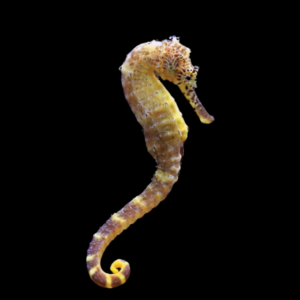
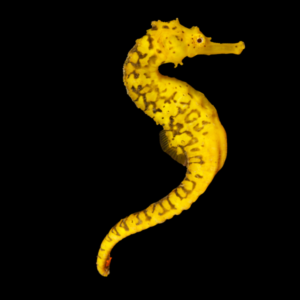
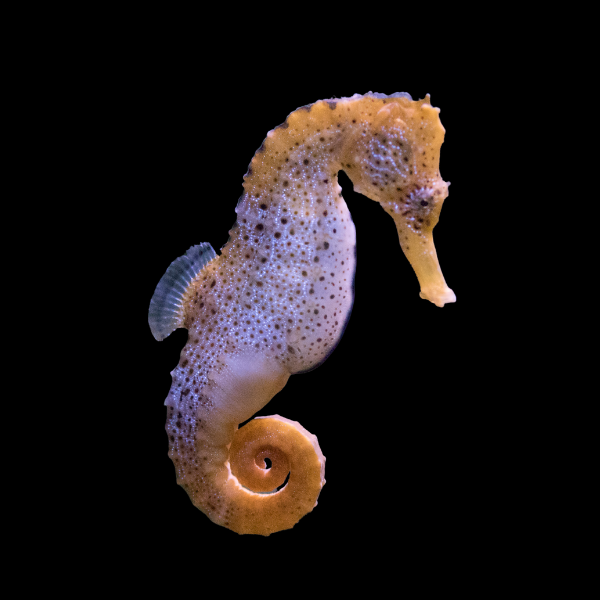
Brazilian Seahorse (Hippocampus reidi)
(Also known as the Longsnout Seahorse or Slender Seahorse)
Overview
The Brazilian Seahorse is one of the most elegant and colourful species of seahorse, recognised by its long, slender body, extended snout, and often vivid colouration — ranging from yellow, orange, and red to brown, black, or even purple. Reaching up to 17–18 cm (6.5–7 inches) in length, H. reidi is highly sought after for its beauty and graceful behaviour. It is, however, more delicate and challenging to maintain than H. erectus, requiring careful attention to feeding and water quality.
Origin
Native to the Western Atlantic Ocean, including the Caribbean, Gulf of Mexico, and coastal waters of Central and South America — especially Brazil, where it is most common. Found in seagrass beds, mangroves, coral rubble, and calm lagoons.
Feeding
The Brazilian Seahorse is a carnivorous ambush predator, feeding on small crustaceans in the wild. Captive-bred specimens often accept frozen foods, but wild-caught individuals can be more challenging. Ideal diet includes:
-
Frozen mysis shrimp (staple diet)
-
Live or enriched baby brine shrimp (occasional treat)
-
Live copepods or amphipods for enrichment and conditioning
-
Target-fed frozen cyclops or finely chopped seafood for variety
Feed 2–3 times daily, ensuring food drifts slowly in front of them or is offered at a feeding station.
Tank Mates
Very peaceful, requiring gentle companions that won’t outcompete them for food. Suitable tank mates include:
-
Other seahorses (similar size)
-
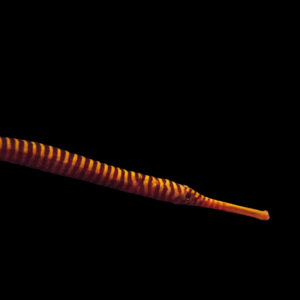
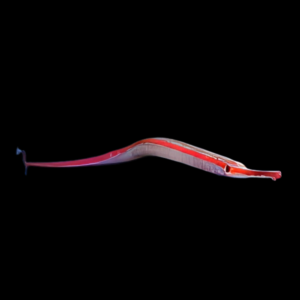
Pipefish and dragonets
-
Gobies and blennies (non-aggressive species)
-
Cardinalfish and firefish
-
Cleaner shrimp, snails, and small hermit crabs
Avoid all aggressive or fast-moving feeders such as clownfish, tangs, wrasses, and dottybacks.
Aggression
Completely peaceful. Males and females form monogamous pairs, engaging in courtship dances and colour changes. Males carry eggs in a specialized brood pouch and can give birth to dozens or even hundreds of fry at a time.
Experience Level
Advanced. While beautiful and rewarding, H. reidi is less forgiving than H. erectus. It requires consistent water quality, moderate temperatures, low flow, and a dedicated feeding routine. Best suited for experienced seahorse keepers or well-prepared aquarists.
Water Parameters
-
Temperature: 23–26°C (73–79°F)
-
pH: 8.1–8.4
-
Salinity: 1.020–1.025 SG
-
Hardness (dKH): 8–12
-
Tank Size: Minimum 40 gallons (150L) for a pair; 50–75 gallons preferred for small groups
Provide gentle flow, vertical hitching posts (macroalgae, gorgonians, artificial corals), and open swimming space.
Reef Compatibility
Reef safe with caution. Will not harm corals or invertebrates, but avoid aggressive coral species (e.g., large euphyllias, anemones, or hydroids) that can sting or trap seahorses. Soft corals, sponges, and macroalgae are ideal for natural perching behaviour.