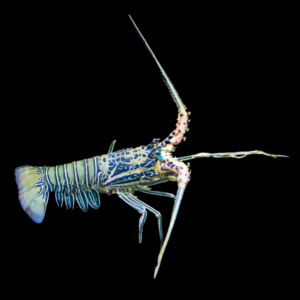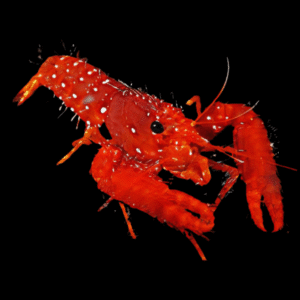
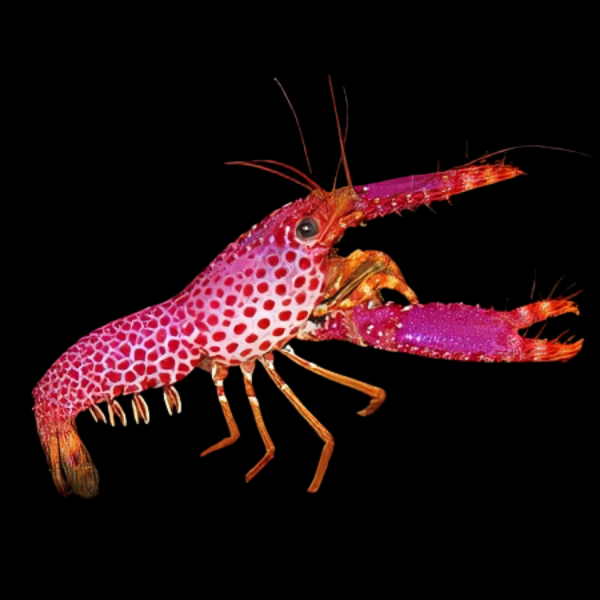
Description
Pink Lobster (Enoplometopus daumi)
(Also called the Daum’s Reef Lobster or Hawaiian Pink Lobster)
Overview
The Pink Lobster is a smaller, brightly coloured spiny reef lobster, prized for its vivid pink-to-red body accented with white spots and banded antennae. Unlike larger Panulirus species, it stays relatively compact at around 12–15 cm (5–6 inches), making it more manageable for aquariums. Mostly nocturnal, it hides in caves or crevices during the day and emerges at night to forage.
Origin
Native to the Indo-Pacific region, including Fiji, Samoa, Papua New Guinea, and parts of the Central Pacific. It inhabits reef slopes and coral rubble zones, sheltering in burrows or rock crevices.
Feeding
The Pink Lobster is a scavenger and opportunistic omnivore. In aquariums, it readily accepts:
-
Meaty marine foods (shrimp, clam, mussel, fish, squid)
-
Sinking pellets or wafers designed for carnivores
-
Leftover food from tank mates
-
Occasional algae-based supplements
Feed 2–3 times per week, ideally in the evening when it is most active.
Tank Mates
Generally best suited to peaceful to semi-aggressive community setups. Good companions include:
-
Clownfish, gobies, blennies, and wrasses
-
Tangs and dwarf angelfish
-
Other mid-sized reef-safe fish that won’t harass it
Avoid housing with:
-
Small shrimp, crabs, or delicate ornamental inverts (may be eaten)
-
Other lobsters (territorial disputes will occur)
Aggression
Semi-aggressive. Not as destructive as larger lobsters, but it will defend its cave or burrow and can prey on small invertebrates. Only one lobster per tank is recommended.
Experience Level
Intermediate. Hardy and relatively undemanding, but nocturnal behaviour and territoriality mean aquarists need to provide a proper habitat and choose tank mates carefully.
Water Parameters
-
Temperature: 24–27°C (75–81°F)
-
pH: 8.1–8.4
-
Salinity: 1.023–1.026 SG
-
Hardness (dKH): 8–12
-
Tank Size: Minimum 55 gallons (210L) for a single specimen
Provide caves, overhangs, or rock crevices to allow secure hiding during the day.
Reef Compatibility
Reef safe with caution. They generally ignore corals but may prey on smaller crustaceans and knock over loose coral fragments while moving about.