Description
Spotted Seahorse (Hippocampus kuda)
(Also known as the Common Seahorse, Estuary Seahorse, or Yellow Seahorse)
Overview
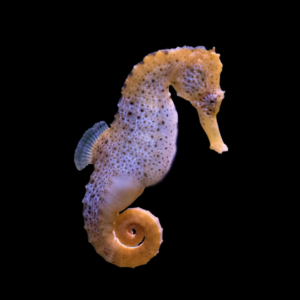
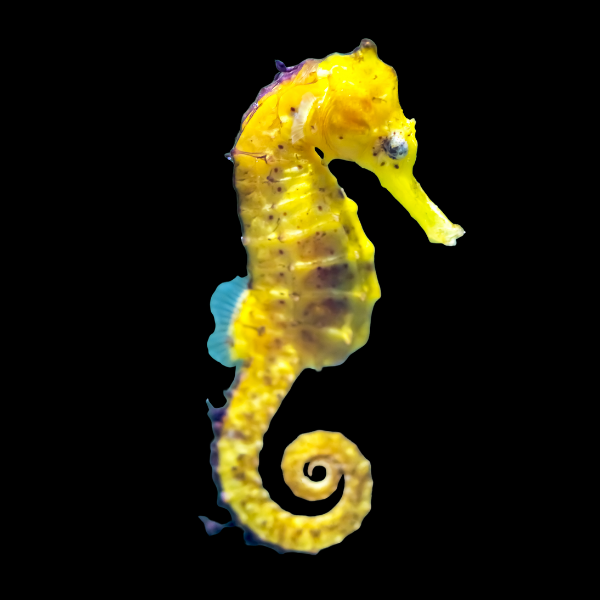
The Spotted Seahorse is one of the most widespread and well-known members of the Hippocampus genus. It is named for its variable yellow, brown, or black coloration often marked with small white or dark spots. Growing to around 15–17 cm (6–6.5 inches) in length, H. kuda is hardy, adaptable, and suitable for dedicated seahorse aquariums. Its calm behaviour, graceful swimming, and adaptability make it a popular choice among both new and experienced seahorse keepers.
Origin
Found throughout the Indo-Pacific region, including the Red Sea, East Africa, India, Indonesia, the Philippines, and northern Australia. It inhabits shallow lagoons, seagrass beds, mangroves, and coral rubble zones, preferring calm, sheltered environments.
Feeding
The Spotted Seahorse is a carnivorous ambush feeder, relying on excellent eyesight to snatch small live prey. Captive-bred individuals adapt readily to frozen foods, while wild-caught specimens may require live enrichment. Ideal foods include:
-
Frozen mysis shrimp (staple)
-
Enriched live brine shrimp (occasional supplement)
-
Live copepods and amphipods for natural enrichment
-
Small frozen plankton or cyclops for variety
Feed 2–3 times daily, using gentle target feeding or a feeding station to ensure they receive adequate nutrition.
Tank Mates
Very peaceful and best housed with calm, slow-feeding companions. Suitable tank mates include:
-
Other seahorses (similar size and species)
-
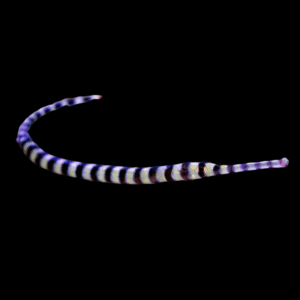
Pipefish and dragonets
-
Gobies and blennies (non-aggressive species)
-
Cardinalfish, firefish, and small reef-safe fish
-
Cleaner shrimp, snails, and small hermits
Avoid aggressive or competitive feeders such as tangs, wrasses, triggers, or dottybacks.
Aggression
Completely peaceful. They can be kept singly, in pairs, or small groups. Pairs often form lasting bonds, performing daily courtship displays. Males carry eggs in a brood pouch until giving birth to fully formed young.
Experience Level
Intermediate. Hardy and adaptable, especially in captive-bred form, but still requires stable water parameters, regular feeding, and a gentle-flow environment.
Water Parameters
-
Temperature: 23–26°C (73–79°F)
-
pH: 8.1–8.4
-
Salinity: 1.020–1.025 SG
-
Hardness (dKH): 8–12
-
Tank Size: Minimum 30 gallons (115L) for a pair; 50+ gallons preferred for groups
Provide gentle flow, numerous hitching posts (gorgonians, macroalgae, or artificial coral branches), and shaded areas for resting.
Reef Compatibility
Reef safe with caution. Will not harm corals or invertebrates, but should be kept in peaceful, soft coral or macroalgae-based reefs. Avoid anemones, large LPS corals, or hydroids that can sting or trap seahorses.